Menu
- Home
- Products
- Lifting & Lashing Solutions
- Lifting & Lashing PointsRUD's full range of boltable, weldable, rotating lifting and lashing points.
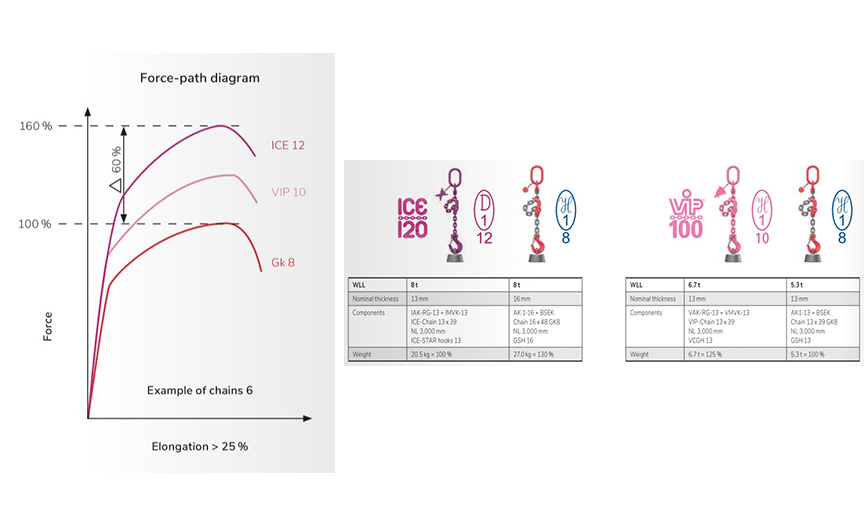
- ICE Grade 120Grade 12 chain can replace a Grade 8 chain of the next-higher nominal thickness
- VIP Grade 100Up to 30% higher WLL than Grade 8 (Grade 80) with the same chain diameter.
- Lashing SystemsRUD Lashing Systems & Components for increased safety, efficiency & reliability
- Lifting & Lashing Points
- Conveyor & Drive Systems
- Conveyor SystemsWe design and manufacture complete trough chain conveyors, screw conveyors and drag chain conveyors.
- Conveyor System ComponentsRUD offers perfectly coordinated conveyor technology and system components for horizontal, vertical and ascending convey
- Drive Technology SystemsWhatever direction you want to move something in, the combination of TECDOS components provides suitable solutions for the most diverse fields of industry.
- Gambarotta SolutionsGambarotta has a long-term relationship with the RUD Group and uses RUD chains in many of its feeder and conveyor systems worldwide.
- Conveyor Systems
- Tyre Protection Chains
- Open Cut Mining ChainsThe use of TPC greatly reduces unplanned downtime of machines, ensuring maximum time is spent doing the intended job, not sitting idle waiting for tyre repairs.
- Underground Mining ChainsThe use of a Tyre Protection Chain in an underground mining environment greatly reduces unplanned downtime of front-line production machines.
- Quarry ChainsA Tyre Protection Chain is ideal for creating a barrier between the tyres and the ground surface. TPC’s provide maximum protection to sidewalls and tread areas,
- Scrap Metal ChainsScrap metal and recycling sites exert huge stress on tyres and equipment. A daily challenge imposed on tyres and wheeled loaders are hidden hazards.
- Snow ChainsRUD rotation and snow chains from our non skid product range guarantee you the highest possible safety.
- Forestry Tyre ChainsForestry tyre chains for extra-heavy off-road and forest duty. Get extra support when driving in the bush or forest with our range of forestry tyre protection
- Open Cut Mining Chains
- Industrial & Hoist Chains
- Engineered Products & Services
- Lifting & Material HandlingCustom designed and manufactured products for all your lifting, material handling and workshop requirements.
- Steel Industry SolutionsPurpose built designed, and manufactured products for the steel industry.
- Caldwell Lifting ProductsRUD is the official representative for Caldwell Inc., a leading U.S. manufacturer of below-the-hook lifting equipment including lightweight yet tough lifting an
- Lifting & Material Handling
- Pre-Cast Concrete Hoops
- Spherical Head Lifting ClutchThe spherical head lifting clutch is part of the PHILIPP transport anchor system.
- Cast-In Lifting HoopsIf heavy or massive concrete products have to be lifted for transportation, RUD/Philipp Cast-in Lifting Hoops are an ideal solution.
- Wire Protection PulleysThe Wire protection pulley is an accessory for the Cast-In lifting hoop and is used to protect the wire to ensure the capacity of the anchor during lifting.
- Spherical Head Lifting Clutch
- Heavy Vehicle Solutions
- Endurequip Heavy Vehicle HoistsEndurequip’s signature heavy vehicle hoist, PORTALIFT is the go-to solution for all of your vehicle maintenance needs.
- Finkbeiner Wireless HoistsThe global leader in vehicle hoist technology since 1927 offering you quality wireless heavy vehicle hoist solutions.
- Finkbeiner HDS Semi-Scissor LiftsFinkbeiner HDS Semi-Scissor lifts deliver reliable and efficient lifting for vehicles from forklifts to articulated buses.
- Workshop AccessoriesWe offer a range of workshop accessories for your hoists such as Vehicle Stands, Ramps and A-Frame Trailer Adaptors.
- Endurequip Heavy Vehicle Hoists
- Lifting & Lashing Solutions
- Solutions
- Industries
- About
- News
- Brochures/Catalogues
- Contact
close

Menu
- Home
- Products
- Lifting & Lashing Solutions
- Lifting & Lashing PointsRUD's full range of boltable, weldable, rotating lifting and lashing points.
- ICE Grade 120Grade 12 chain can replace a Grade 8 chain of the next-higher nominal thickness
- VIP Grade 100Up to 30% higher WLL than Grade 8 (Grade 80) with the same chain diameter.
- Lashing SystemsRUD Lashing Systems & Components for increased safety, efficiency & reliability
- Lifting & Lashing Points
- Conveyor & Drive Systems
- Conveyor SystemsWe design and manufacture complete trough chain conveyors, screw conveyors and drag chain conveyors.
- Conveyor System ComponentsRUD offers perfectly coordinated conveyor technology and system components for horizontal, vertical and ascending convey
- Drive Technology SystemsWhatever direction you want to move something in, the combination of TECDOS components provides suitable solutions for the most diverse fields of industry.
- Gambarotta SolutionsGambarotta has a long-term relationship with the RUD Group and uses RUD chains in many of its feeder and conveyor systems worldwide.
- Conveyor Systems
- Tyre Protection Chains
- Open Cut Mining ChainsThe use of TPC greatly reduces unplanned downtime of machines, ensuring maximum time is spent doing the intended job, not sitting idle waiting for tyre repairs.
- Underground Mining ChainsThe use of a Tyre Protection Chain in an underground mining environment greatly reduces unplanned downtime of front-line production machines.
- Quarry ChainsA Tyre Protection Chain is ideal for creating a barrier between the tyres and the ground surface. TPC’s provide maximum protection to sidewalls and tread areas,
- Scrap Metal ChainsScrap metal and recycling sites exert huge stress on tyres and equipment. A daily challenge imposed on tyres and wheeled loaders are hidden hazards.
- Snow ChainsRUD rotation and snow chains from our non skid product range guarantee you the highest possible safety.
- Forestry Tyre ChainsForestry tyre chains for extra-heavy off-road and forest duty. Get extra support when driving in the bush or forest with our range of forestry tyre protection
- Open Cut Mining Chains
- Industrial & Hoist Chains
- Engineered Products & Services
- Lifting & Material HandlingCustom designed and manufactured products for all your lifting, material handling and workshop requirements.
- Steel Industry SolutionsPurpose built designed, and manufactured products for the steel industry.
- Caldwell Lifting ProductsRUD is the official representative for Caldwell Inc., a leading U.S. manufacturer of below-the-hook lifting equipment including lightweight yet tough lifting an
- Lifting & Material Handling
- Pre-Cast Concrete Hoops
- Spherical Head Lifting ClutchThe spherical head lifting clutch is part of the PHILIPP transport anchor system.
- Cast-In Lifting HoopsIf heavy or massive concrete products have to be lifted for transportation, RUD/Philipp Cast-in Lifting Hoops are an ideal solution.
- Wire Protection PulleysThe Wire protection pulley is an accessory for the Cast-In lifting hoop and is used to protect the wire to ensure the capacity of the anchor during lifting.
- Spherical Head Lifting Clutch
- Heavy Vehicle Solutions
- Endurequip Heavy Vehicle HoistsEndurequip’s signature heavy vehicle hoist, PORTALIFT is the go-to solution for all of your vehicle maintenance needs.
- Finkbeiner Wireless HoistsThe global leader in vehicle hoist technology since 1927 offering you quality wireless heavy vehicle hoist solutions.
- Finkbeiner HDS Semi-Scissor LiftsFinkbeiner HDS Semi-Scissor lifts deliver reliable and efficient lifting for vehicles from forklifts to articulated buses.
- Workshop AccessoriesWe offer a range of workshop accessories for your hoists such as Vehicle Stands, Ramps and A-Frame Trailer Adaptors.
- Endurequip Heavy Vehicle Hoists
- Lifting & Lashing Solutions
- Solutions
- Industries
- About
- News
- Brochures/Catalogues
- Contact
close